Viet Nam Trade Offices: A Strategic Bridge Linking Vietnamese Enterprises with Global Supply Chains
Viet Nam’s network of Trade Offices abroad is increasingly asserting its role as a strategic bridge, helping domestic enterprises access international buyers, expand markets and integrate more deeply into global supply chains.
Ahead of Vietnam International Sourcing (VIS) 2025, the biggest international trade promotion event of the year, Industry and Trade Newspaper spoke with Viet Nam’s Trade Offices in several key markets. As the Ministry of Industry and Trade’s “extended arm” overseas, the Trade Offices not only connect Vietnamese businesses directly with global buyers but also help strengthen the international standing of Vietnamese goods within global value chains. Insights from the Trade Offices in Germany, Japan, China, the Middle East and Africa offer a comprehensive view of opportunities, challenges and practical solutions to support Vietnamese enterprises on their path towards global markets.
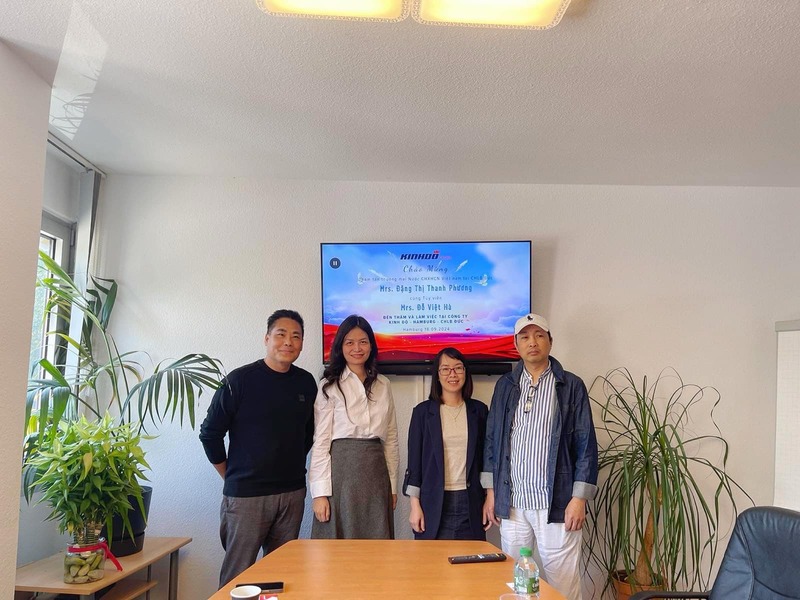
Mrs. Dang Thi Thanh Phuong, Commercial Counsellor, Viet Nam Trade Office in Germany:
Viet Nam is emerging as one of the priority markets for German companies seeking to diversify their partners and supply chains. Participating in VIS 2025, German buyers are looking for Vietnamese suppliers across a broad spectrum of products—from food and beverages to non-food categories such as household goods, gardening tools, pet products, wooden furniture and mechanical components like screws and bolts. Many of these buyers are top German retail chains.
Germany offers significant room and opportunity for Vietnamese businesses, as it is a large, high-income consumer market with strong demand for food, consumer goods and pet-related products. In 2024, there were about 34 million pets living in German households, with 44% of households owning at least one pet. Additionally, the sizeable and growing Asian and Vietnamese communities, along with the rapid expansion of Asian product distribution networks, provide natural gateways for Vietnamese goods to enter Germany and other European markets. Germany’s central geographic position—bordering nine countries and close to major trade routes—further facilitates trade flows and market access.
Despite its vast potential, meeting German buyers’ stringent product standards remains a considerable challenge for Vietnamese firms.
First, EU/German import regulations are strict, and many shipments fail to meet quality standards or delivery timelines. Small-scale purchasing often results in price pressure, penalty fees and significant losses for Vietnamese exporters. Germany also imposes high sustainability requirements, environmental and consumer health standards, as well as retailer-specific criteria.
Second, the EU is advancing new trade agreements, including MERCOSUR. Once these take effect, tariff advantages may create pressure on some export categories from Viet Nam. Enterprises must proactively upgrade standards, traceability and delivery capabilities to maintain the competitive edge offered by the EVFTA. Furthermore, many Vietnamese products still lack brand identity in Germany, with agricultural exports predominantly in raw or low–value-added form.
Therefore, Vietnamese enterprises must invest in knowledge, understand EU/German import regulations, study market demand and distribution systems. The Viet Nam Trade Office in Germany is always ready to support businesses via its official website (germany-vto.org); assist participation in major international fairs such as Fruit Logistica, Anuga, Biofach, Hannover Messe and Ambiente Frankfurt; provide market intelligence; and help resolve trade issues and disputes when they arise.
Mr. Ta Duc Minh, Commercial Counsellor, Viet Nam Trade Office in Japan:
At VIS 2025, Japanese buyers—like many others—show strong interest in agricultural products, processed foods, seafood, coffee, sustainable and eco-friendly products, as well as supporting-industry items. Across all categories, strict requirements apply to traceability, food safety certification and environmental friendliness.
To support Vietnamese exporters, the Trade Office has actively supplied market information, updated import standards and emerging consumption trends. It has also coordinated trade promotion activities, B2B matchmaking, and provided advisory support on packaging, labelling and market-entry strategies for Japan.
“We hope that VIS 2025 will serve as an important bridge for expanding the presence of Vietnamese products in Japan and other potential markets,” Mr. Minh said.
Mr. Nguyen Huu Quan, Commercial Consul, Head of Viet Nam Trade Office Branch in Nanning (China):
As the “extended arm” and “transmission antenna” of the Ministry and other Vietnamese agencies, the Trade Office prioritises building strong working relationships with local trade authorities, investment promotion agencies, industrial associations and local governments. These partnerships not only support professional tasks but also act as effective channels for identifying and connecting local buyers with Vietnamese exporters.
Thanks to these established networks, the Trade Office is always ready to support Vietnamese enterprises seeking partners or cooperation opportunities. For better matchmaking, the Trade Office encourages domestic agencies and localities to compile and share updated lists of reputable exporters and importers by industry, enabling more effective trade promotion.
Organising trade promotion events—especially VIS in Viet Nam—is a highly practical initiative that attracts foreign buyers to explore, negotiate and source suitable Vietnamese products.
Looking ahead, the Trade Office suggests diversifying promotional formats, including multilingual campaigns on digital platforms such as TikTok and WeChat in China, and similar platforms in other potential markets. It also proposes building a VIS-branded e-commerce platform where Vietnamese exporters and foreign buyers can conduct transactions year-round, creating a new channel for key Vietnamese export products.
Mr. Truong Xuan Trung, Acting Head of Viet Nam Trade Office in the UAE:
To ensure the presence of buying delegations from the Middle East and Africa at VIS 2025, the Trade Office has implemented a coordinated strategy covering trade promotion, direct networking, communication and logistical support.
First, the Trade Office proactively engaged major retailers, distributors and reputable supermarket chains seeking new supply sources—especially for products in which Viet Nam excels, such as agricultural goods, processed foods, textiles and consumer products. Clear communication on Viet Nam’s strengths, cooperation potential and flagship products has successfully attracted strong buyer interest and commitments to send delegations.
At the same time, the Trade Office invested significant effort in researching the specific needs of each market. Middle Eastern companies prioritise premium agricultural and consumer products, whereas some African markets focus more on essential foods and apparel. Based on these insights, the Trade Office organised targeted B2B sessions, thematic seminars and field visits to raw-material areas and factories across Viet Nam—helping buyers assess supply capacity and facilitating negotiations and direct contract signing during VIS.
Beyond business matchmaking, the Trade Office provides extensive support with formalities and logistics, including invitation letters, visa guidance, interpreters in English and French, airport pickup services and accommodation arrangements. These efforts ensure a smooth experience for buyers and help build long-term trust and partnership with Viet Nam.
It has also worked with embassies, industry associations and chambers of commerce across the region to promote VIS through media, trade publications and international trade fairs.
A key emphasis has been reinforcing Viet Nam’s position as a reliable supply source capable of meeting stringent standards on quality and traceability. In a time of global supply chain volatility, this strengthens Viet Nam’s standing as a strategic option for Middle Eastern and African buyers. Thanks to this comprehensive approach, many reputable buying delegations from emerging markets have confirmed their participation in VIS 2025, opening up opportunities for long-term, sustainable cooperation.
Vietnam International Sourcing 2025 (VIS 2025)
VIS 2025 is a flagship series of events comprising Viet Nam’s largest international sourcing exhibition. Organised by the Ministry of Industry and Trade in coordination with the Ho Chi Minh City People’s Committee, the event is scheduled to take place from 4–6 September 2025 at the Saigon Exhibition and Convention Center (SECC).
Hữu Hưng