Events
Vietnam’s Furniture and Household Goods Sector: Flexibility to Overcome Challenges, Standardization to Go Further
Flexibility and creativity are helping Vietnamese furniture and household goods enterprises score points with many international buyers. However, to go further in global supply chains, they need to invest more heavily in technology, design and product localization.
At the “Connecting International Supply Chains – Viet Nam International Sourcing 2025” event, many international buyers highly appreciated the progress of Vietnamese enterprises in their journey to participate more deeply in supply chains.
A clearly visible common point is their flexibility, craftsmanship and creativity – factors that allow them to quickly adjust to meet differing requirements in each market.
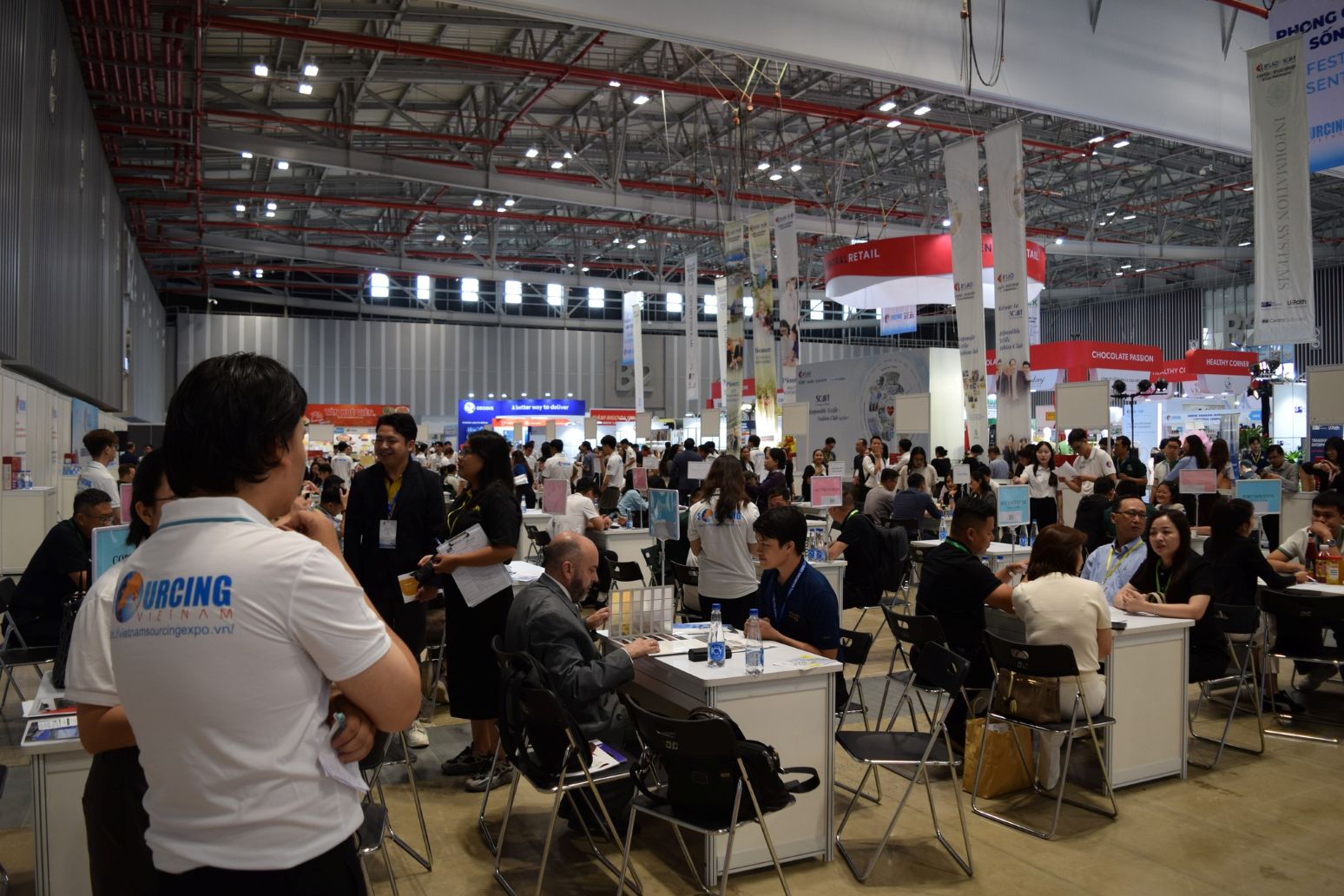
In the context of constantly shifting supply chains, many manufacturers have changed their approach, from product design to quality management, in order to become long-term partners.
A representative of Coppel Group (Mexico) said that in their country, low-income consumers account for the majority, so price is the key factor.
According to this representative, many products from Vietnam have taken advantage of tariff preferences under the Comprehensive and Progressive Agreement for Trans-Pacific Partnership (CPTPP), while maintaining regular communication with partners to keep up with consumer trends.
In Europe, where standards are stringent and long-term goals are emphasized, Vietnamese enterprises have begun to meet international certifications such as FSC and to prepare for the European Union’s anti-deforestation regulation (EUDR).
According to a representative of Brafab, a Swedish brand specializing in the design and production of outdoor furniture, some manufacturers have proactively localized production and invested in production lines to reduce dependence, optimize costs and improve quality.
“Many enterprises are also taking a long-term approach by researching modified wood materials, developing sustainable products and seeking to tap into niche markets,” one buyer at the event noted.
Proactive adaptation to local consumer cultures is also seen as a new competitive advantage, supporting the journey to affirm a global position.
“Gaps” That Must Be Addressed to Go Further
International buyers acknowledge that Vietnamese enterprises possess many strengths, such as flexibility in negotiation, the ability to build trust, high craftsmanship and a creative spirit.
During the pandemic, some manufacturers promptly shifted their product offerings and explored new materials aligned with green trends, thereby making a mark in international markets.
However, alongside these achievements, there remain significant limitations. The level of technology and production equipment in the domestic furniture and household goods industry still lags behind major competitors such as China. Moreover, heavy dependence on imported raw materials from this market erodes their price competitiveness.
Many buyers believe that Vietnamese enterprises have relied too long on the OEM/outsourcing model. While the advantage of low-cost labor is gradually being lost to countries such as Mexico and Bangladesh, enterprises have not invested sufficiently in design and in developing their own products, and therefore have not created a sustainable competitive edge.
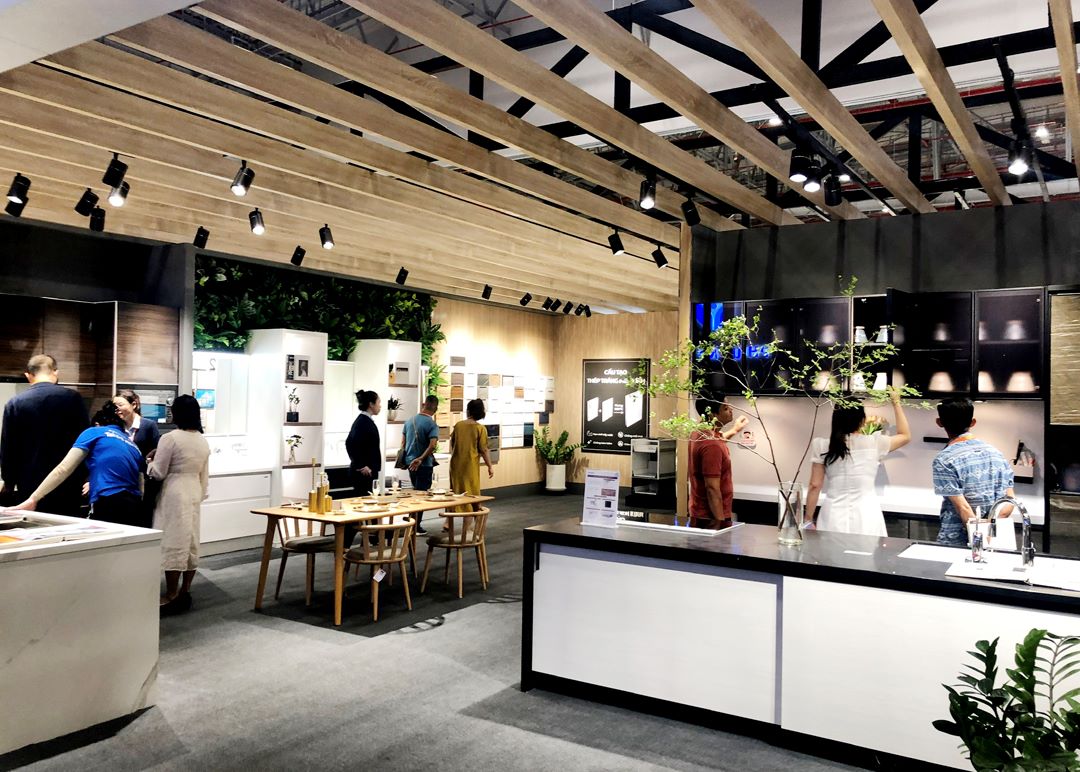
They also argue that domestic enterprises need to be more agile in updating global standards, especially regulations related to sustainable development and green products. This is an irreversible trend, even though in some markets such as Mexico these requirements are not yet the top priority.
In addition, localization and proactive production will help enterprises both control quality and strengthen their price advantages.
“More importantly, Vietnamese enterprises need to move out of a passive position, not just producing according to orders but actively researching markets, developing new products and building distribution networks,” the Coppel representative emphasized.
Buyers also recommend that Vietnamese enterprises should actively participate in trade fairs and matchmaking events, thereby expanding cooperation opportunities and gaining a clearer understanding of partner needs.
If they can grasp trends and move one step ahead, Vietnam’s furniture and household goods sector can advance to a higher position in global supply chains – not only as an outsourcing base, but as a group of manufacturers delivering real value.
Việt Thành