The News
Unusual working schedules in Muslim countries: Beware of “humanitarian contracts”
Vietnam’s trade officials have provided important insights to help Vietnamese exporters better understand the working culture and consumer potential of Muslim markets.
Working culture in the Middle East is typically unhurried. When partners need something from you, they will push urgently “as if the house is on fire.” Conversely, when you are the one in need, patience is essential. Impatience can lead Vietnamese companies to miss valuable opportunities.
Vietnamese businesses are also advised not to conduct transactions with partners on Fridays. In the Middle East, people work from Monday to Thursday — corresponding to Sunday to Thursday in local custom. Friday is the main holy day for Muslims, and partners will not respond to transactions on this day.
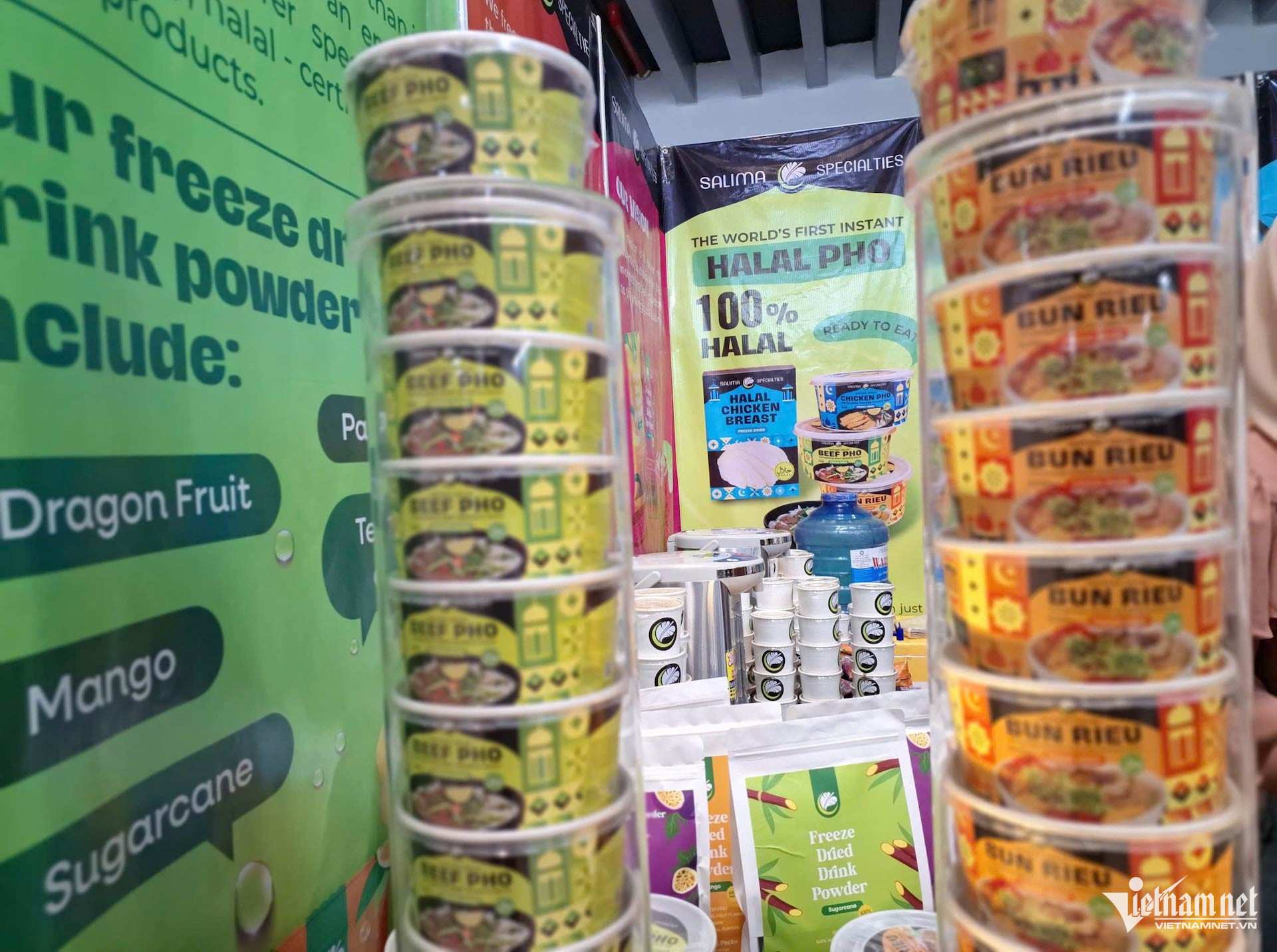
These important reminders were shared by Trần Trọng Kim, First Secretary and Head of the Vietnam Trade Office in Saudi Arabia, at the seminar “Market Trends and Export Opportunities for Vietnamese Agricultural and Processed Food Products in Halal Markets” held on 5 September.
Vietnam holds advantages in agricultural products, processed foods, cosmetics and pharmaceuticals when exporting to Halal markets.
(SX photo)
Currently, 95% of Saudi Arabia’s goods are imported, including those from Vietnam. Key Vietnamese exports to this market include rice, seafood, coffee, tea, cashew nuts, pepper and garments.
All processed foods, beverages, cosmetics and related products exported to Saudi Arabia must have Halal certification. Goods must also be registered for certification codes with the Saudi Food and Drug Authority (SFDA), a process considered straightforward and possible through online submission.
Saudi Arabia is regarded as a highly potential Halal market for Vietnamese businesses. However, Mr. Kim warned about fraudulent schemes commonly seen in this market.
Some scammers take advantage of conflict-related situations, posing as humanitarian organizations seeking to import goods for relief or reconstruction. They typically request large-volume orders at attractive prices to deceive suppliers and steal goods.
Mr. Kim emphasized that humanitarian organizations in the Middle East do not have the authority to import goods. Businesses encountering such offers should decline and avoid transactions.
He also noted that Vietnamese companies should never pay any upfront fees related to contract brokerage or invoice issuance — another common fraud tactic in the region.
“When dealing with companies from Saudi Arabia or the Middle East, the Vietnam Trade Office strongly recommends using Letters of Credit (L/C) for payment,” Mr. Kim stressed.
A USD 2 trillion market
Another promising Halal market is Indonesia — the world’s largest Muslim-majority country with over 244 million Muslims.
According to Phạm Thế Cường, Vietnam’s Trade Counsellor in Indonesia, Halal standards are essential for Indonesian consumers. Total Halal food and beverage spending reached USD 155.3 billion, accounting for 11.1% of the global Halal food market valued at USD 1.397 trillion in 2022.
However, in 2024, Vietnam’s Halal exports to Indonesia amounted to only around USD 54 million, less than 1% of Vietnam’s total exports to this market.
Most Halal exports to Indonesia are confectionery and processed foods produced in Vietnam by foreign brands. Very few domestic Vietnamese companies directly export Halal-certified products, and Vietnamese Halal brands remain largely invisible in Indonesia.
Moreover, Indonesia maintains one of the highest levels of trade protectionism in ASEAN, creating additional barriers for Vietnamese exporters.
Mr. Cường noted that Vietnamese businesses need stronger linkages with partners in countries with established Halal industries — Indonesia included. Such partnerships would raise awareness of Halal standards and increase export opportunities.
These linkages would also help build a closed Halal supply chain, from raw material areas to production, distribution and export.
The global Halal industry has emerged as a highly promising economic sector, with an estimated market value exceeding USD 2 trillion and serving more than 2.2 billion Muslim consumers worldwide.
According to Hồ Thị Quyên, Deputy Director of the Ho Chi Minh City Investment and Trade Promotion Center (ITPC), the Halal industry will continue to grow strongly in Asia, the Middle East and Africa in 2025. Emerging Halal trends are reshaping the global business environment, creating new opportunities but also requiring businesses to adapt quickly.
Ms. Quyên said that Vietnam’s competitive advantages — such as agricultural products, processed foods, cosmetics and pharmaceuticals — can be leveraged to capture market share, expand distribution channels and build strong brands associated with Halal values.
Hữu Hưng