Alongside European and North American retail chains, leading groups from Brazil, Mexico, Venezuela, Cuba, and Chile are simultaneously “landing” in Viet Nam this year—reflecting a clear shift in sourcing strategies among Latin American enterprises.
Mexico: Coppel Targets Fashion, Footwear and Furniture for 1,700 Stores
From Mexico, retail giant Coppel continues to show strong interest in Vietnamese goods, following positive results from previous Viet Nam International Sourcing events. As one of Mexico’s largest retail systems with over 1,700 branches nationwide and 27 stores in Argentina, Coppel is deploying significant resources to seek Vietnamese suppliers for key product groups including fashion apparel, footwear and household furniture.
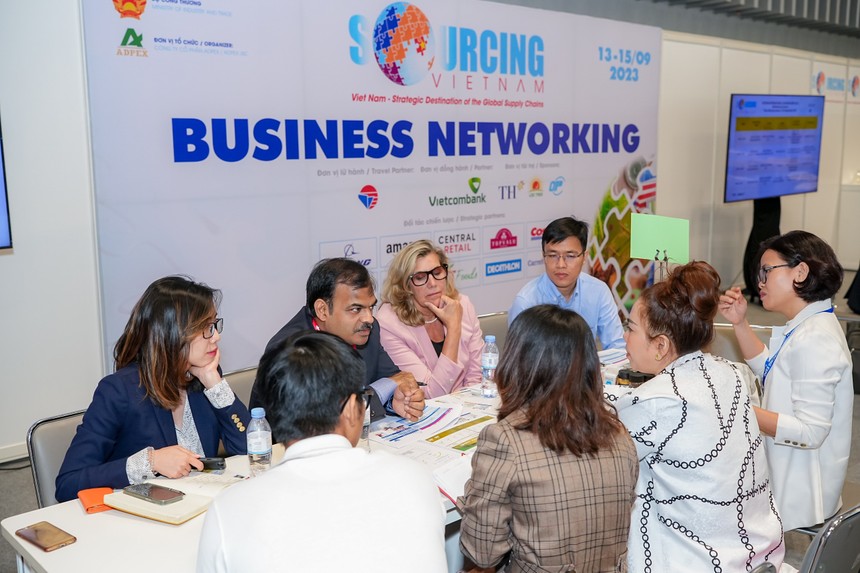
Its objective is to diversify sourcing and gradually incorporate Vietnamese products into its large-scale distribution system serving the fast-growing middle-class consumer base in Mexico and Latin America.
Brazil: Seeking Two-Way Cooperation—from Rice and Seafood to E-Motorbikes and LED Lights
Brazil—the largest economy in South America and the world’s ninth-largest by GDP—is bringing an unprecedented business delegation to VIS 2025, including names such as Cecil Group, Veel Trade, Timbro Trading, Slot International Ltd.
Brazilian companies are looking for two-way partnerships:
Imports from Viet Nam:
Rice; seafood (pangasius, tilapia, tuna and processed products); frozen fruit; coffee; spices; plastics; rubber; PET materials; pulp; sportswear; electric motorbikes; LED lights; electronics.
Exports to Viet Nam:
Leather; beef and pork; acai berries; Brazilian cheese bread; cotton; sugar; green coffee; minerals and copper-based products.
Many Brazilian firms have expressed strong willingness to engage in direct B2B meetings, factory visits, raw-material site inspections and discussions with Vietnamese industry associations to build long-term partnerships.
Venezuela & Cuba: Openings for Agriculture, Textiles and Footwear
In Venezuela, the number of registered VIS 2025 participants has doubled compared to last year. Chepelca, a leading agricultural and food brand with more than 20 years in the market, four factories and a nationwide distribution network, is actively seeking high-quality Vietnamese agricultural goods.
Other Venezuelan companies are sending senior executives to Viet Nam to find partners in textiles, footwear, agricultural chemicals and industrial machinery.
Despite challenges posed by embargoes and financing constraints, Cuban businesses are still proactively participating in VIS 2025 to source new products—especially food, toys, machinery, tools and construction materials. Cuban consumer markets generally impose fewer strict standards, while Vietnamese products have already built a solid presence, offering considerable growth opportunities.
Chile: E-Commerce Retailers Looking for Home Goods and Stationery
From Chile, several companies—including Onloop, a long-established e-commerce distributor—have registered to attend VIS 2025. They are seeking Vietnamese suppliers for metal furniture, home goods, stationery, paper products, cleaning supplies and outdoor equipment.
The active participation of e-commerce businesses indicates that Vietnamese products have opportunities not only in traditional retail but also directly through online channels to Latin American consumers.
What Are Latin American Retailers Looking For in Vietnamese Suppliers?
A synthesis of market signals from the Americas reveals several clear targets:
Products that match domestic consumer demand:
– Fast-moving consumer goods, processed agricultural and seafood products, frozen fruit
– Apparel, footwear, sportswear
– Home goods, furniture, stationery, paper products, outdoor equipment
– Electronics, LED lighting, electric motorbikes
Suppliers capable of stable, large-scale production:
The size of systems such as Coppel (Mexico/Argentina) or Chepelca (Venezuela) requires reliable, high-volume, continuous supply.
Two-way cooperation and deeper value chains:
Brazilian companies’ intention to both import and sell back into Viet Nam suggests a shift toward reciprocal cooperation—potentially in joint production, supply-chain linkages or co-distribution.
Direct engagement and transparent production:
Interest in B2B meetings, factory tours and raw-material site inspections reflects the priority given to quality control, transparency and traceability.
Latin America: A High-Potential, Complementary Market for Vietnamese Goods
Latin America, with 33 countries, over 670 million people, a GDP of roughly USD 6.5 trillion and annual import demand of nearly USD 1.5 trillion, is one of the most promising regions for Vietnamese exports.
The two regions’ trade structures are naturally complementary:
Viet Nam’s strengths: textiles, footwear, agricultural and seafood products, wood products, consumer goods.
Latin America’s strengths: key raw materials such as corn, soybeans, animal feed, minerals and certain industrial inputs.
As negotiations for a Vietnam–MERCOSUR Free Trade Agreement progress, the wave of Latin American companies visiting Viet Nam for VIS 2025 represents more than just a “sourcing mission”—it signals the beginning of deeper, multi-dimensional cooperation across regional and global supply chains.
Hữu Hưng